Carry More, Pay Less: A Traveler's Complete Guide to Baggage Policies on India-US Flights
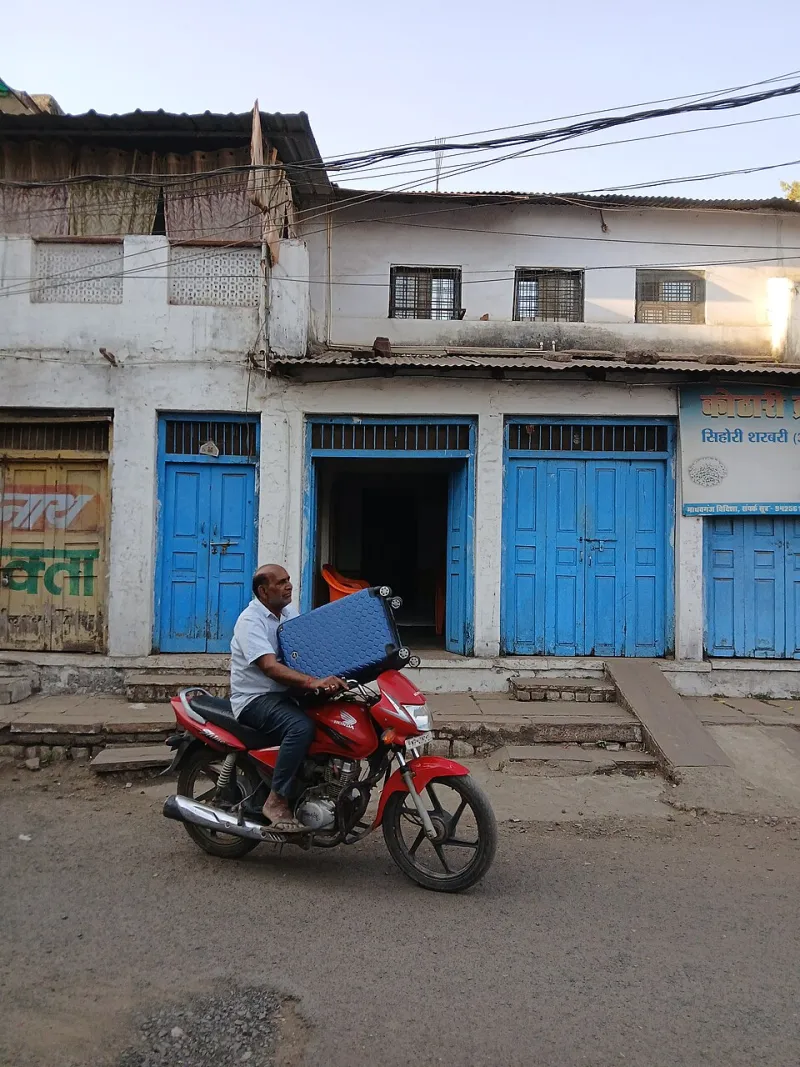
Photo: Mishra12krati, CC BY-SA 4.0, via Wikimedia Commons
For many travelers on the India-US corridor, the suitcase is not merely a container — it is a diplomatic pouch. It carries medicines unavailable abroad, saris folded with care, spices that no grocery store in New Jersey can replicate, and gifts accumulated over months of anticipation. The weight of that luggage, both emotional and literal, makes understanding baggage policies one of the most consequential pre-flight tasks a traveler can undertake.
Yet baggage rules on this particular route are among the most inconsistently understood in international aviation. Travelers frequently arrive at check-in counters with assumptions built on outdated information, mixing up the policies of carriers they flew two years ago with the airline they are flying today. The result is often an unexpected fee that can range from $75 to well over $200 per overweight bag.
This guide is designed to eliminate that uncertainty.
The Fundamental Divide: Weight vs. Piece Systems
The first concept every India-US traveler must internalize is the structural difference between two baggage measurement philosophies.
US-based carriers — including United Airlines, American Airlines, and Delta — predominantly operate on a piece-based system for international routes. Under this model, passengers in economy class are typically permitted one or two checked bags (depending on the fare class and destination), with each bag subject to a maximum weight of 50 pounds (approximately 23 kilograms) and linear dimension restrictions, usually 62 inches combined.
Indian carriers, by contrast — including Air India and IndiGo on their international routes — have historically operated on a weight-based system. Rather than counting individual bags, these airlines assign a total weight allowance (commonly 23 kg to 30 kg in economy class) that passengers may distribute across their luggage however they choose. This system can actually benefit travelers who prefer carrying multiple smaller bags rather than one large suitcase.
The confusion arises when passengers book codeshare flights or itineraries operated by partner airlines. A ticket purchased through an Indian carrier might involve a leg operated by a US airline, with each segment applying its own distinct baggage rules. Always verify the operating carrier — not merely the marketing carrier — for every segment of your journey.
How Fare Classes Change Everything
Baggage allowances are not fixed attributes of an airline. They are dynamic variables tied directly to the fare class you purchase.
On most carriers serving the India-US route, the progression works as follows:
- Basic Economy / Light fares: Often permit only one checked bag, or in some cases, none at all. These fares appear attractive on booking platforms but frequently become expensive once baggage fees are factored in.
- Standard Economy: Typically includes one checked bag on transatlantic and transpacific routes, with a second bag available for a fee.
- Premium Economy: Usually includes two checked bags at higher weight allowances, sometimes up to 32 kg per bag.
- Business and First Class: Most carriers offer two to three checked bags with generous weight limits, making them disproportionately practical for travelers transporting significant quantities of luggage.
Before dismissing an upgrade as an indulgence, it is worth calculating whether the additional baggage allowance in premium economy offsets the fare difference, particularly on routes where overage fees are steep.
Airline Loyalty Programs as a Baggage Strategy
Frequent flyer status is one of the most underutilized tools available to India-US travelers. Most major airline loyalty programs grant elite members additional baggage benefits that can meaningfully reduce travel costs over time.
For example, United MileagePlus Premier Silver members receive one additional free checked bag on international flights. American Airlines AAdvantage Gold members enjoy similar benefits. Air India's Flying Returns program provides tier-based baggage enhancements as well.
For travelers who make this journey multiple times a year — as many Indian-Americans do — achieving even the entry tier of elite status can pay for itself purely through avoided baggage fees. The mathematics are straightforward: if you fly round-trip to India twice annually and save $100 in baggage fees per trip, that represents $400 in annual savings, often achievable with relatively modest status thresholds.
Co-branded credit cards affiliated with airline loyalty programs offer another avenue. Several cards waive the first checked bag fee for the cardholder and, in some cases, companions on the same reservation. On a family trip with multiple passengers, these waivers can accumulate into substantial savings.
Strategic Packing: The Art of the Weight Distribution
Beyond understanding policies, the manner in which you pack can determine whether you incur fees at all.
Several practical principles apply specifically to India-US travel:
Distribute weight asymmetrically on the outbound journey. When flying from the US to India, travelers often carry lighter loads. Reserve this trip to test the limits of your carry-on allowance and check only what is necessary. The return journey — laden with goods from India — is typically where weight penalties strike.
Invest in a portable luggage scale. Available for under $15 at most retailers, a portable scale eliminates the guesswork that leads to check-in surprises. Weigh every bag before leaving for the airport, not the morning of departure when adjustments are still feasible.
Understand the carry-on allowance in detail. Many travelers focus exclusively on checked baggage while overlooking carry-on restrictions. On full-service carriers, a standard carry-on plus one personal item is typically permitted, but weight limits for overhead bin bags do exist on certain airlines, particularly those with stricter cabin management policies.
Ship ahead when volume exceeds airline limits. For travelers relocating between India and the US or transporting business samples and equipment, international shipping services may offer a more economical alternative to airline overweight fees once the volume exceeds two or three extra bags.
Regional Differences Worth Noting
Airports in India apply their own security and check-in protocols that can affect how baggage is handled. Certain airports enforce stricter screening requirements for items such as liquids, batteries, and food products. Travelers carrying Indian pickles, homemade snacks, or traditional remedies should review both airline and customs regulations for both countries before packing.
Additionally, US Customs and Border Protection maintains specific rules about what may be brought into the United States from India. Agricultural products, certain food items, and plant materials may be subject to inspection or confiscation regardless of how well they are packed. Familiarizing yourself with CBP guidelines before departure prevents the unfortunate experience of watching carefully packed goods discarded at the border.
Final Checklist Before You Check In
Before your next departure, confirm the following:
- Identify the operating carrier for each flight segment and look up their specific baggage policy.
- Verify whether your fare class includes checked baggage or requires a separate purchase.
- Check whether your loyalty status or credit card entitles you to additional free bags.
- Weigh all luggage at home using a portable scale.
- Review CBP and Indian customs regulations for any items that may require declaration or could be restricted.
The India-US route is one of the most heavily traveled corridors in global aviation, and the travelers who navigate it most efficiently are those who treat baggage planning as a deliberate exercise rather than an afterthought. A few hours of preparation can spare you significant expense — and ensure that everything you intended to bring actually arrives with you.