Pay at the Door or Walk On By? A Realistic Ledger for Airport Lounges
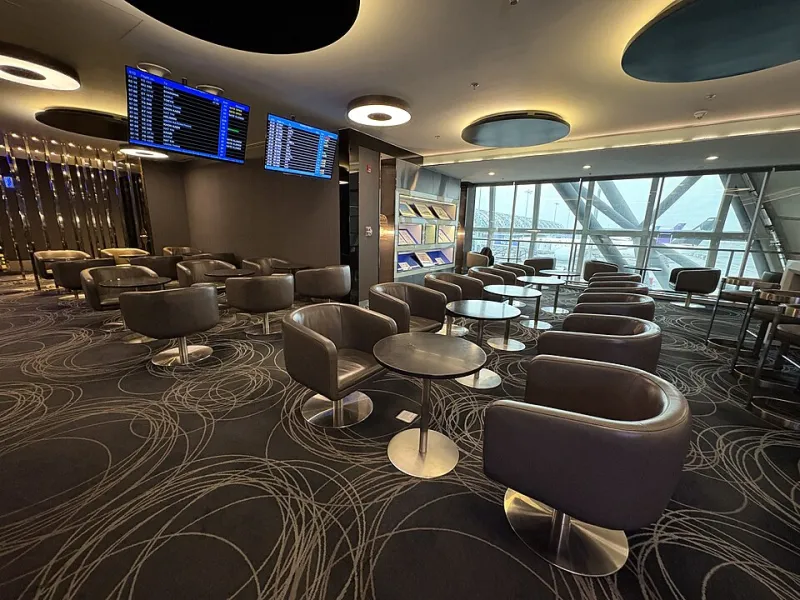
Photo: Chainwit., CC BY 4.0, via Wikimedia Commons
The $60 question sounds simple at the airport: pay at the lounge door or find a seat by the gate? On the India-US route, the answer changes with the terminal, the length of the layover, and whether the traveler is paying cash or using a credit card benefit. A lounge is not automatically a bargain. It is a bundle of food, Wi-Fi, seating, showers, and quiet. The traveler should price that bundle against what the airport already provides.
What the Day Pass Actually Buys
At major US gateways, a cash day pass often sits near $60, though some clubs now charge more and others do not sell passes at all. Indian lounges are usually cheaper at the door, but access rules and crowding vary by city. For that money, the traveler typically receives a buffet or snack spread, nonalcoholic drinks, coffee, Wi-Fi, power outlets, and a seat that is more comfortable than the gate area. Showers are rare at domestic US lounges and more common at some international terminals. Alcohol may be included or limited.
The food is the hinge. A lounge meal is not a restaurant meal. It is fuel with a table. If the traveler would otherwise spend $20 to $30 on an airport meal, the effective cost of the lounge falls to $30 or $40. If the traveler would eat a granola bar and drink water from a bottle, the lounge is a $60 chair.
The Hidden Cost of Credit Card Access
Priority Pass and similar programs are not free money. They are bundled into credit cards with annual fees that often run from $400 to $700. A traveler who visits a lounge four times a year is effectively paying $100 or more per visit, even when the door agent swipes the card and charges nothing. The math improves for frequent flyers and families, but only if the card is already justified by other benefits. Guest policies matter too. Some cards allow one guest, some charge for children, and some lounges restrict access during peak hours.
When the Lounge Wins
The case for paying is strongest on a long layover. Four hours or more in a terminal is enough time to eat, work, shower at a lounge that offers one, and still reach the gate without rushing. A traveler with a laptop and a deadline should price the lounge against a day of airport Wi-Fi and a noisy gate seat. A traveler arriving on an overnight flight and facing a connection should check whether a shower is available. A traveler with a canceled flight and a rebooking queue may find the lounge a calmer place to make calls.
Indian gateways can offer better value than US clubs. A lounge at Delhi or Mumbai may provide a hot meal, bottled water, and a quieter seat for less than the US day pass. The trade-off is crowding. Peak departure banks can fill lounges quickly, and access may be limited for cardholders.
When It Loses
A 90-minute layover is not a lounge layover. By the time the traveler clears security, walks to the club, eats, and walks back, the boarding call is near. A lounge far from the gate is worse than the gate itself. Families should calculate the per-person cost before assuming a lounge is a treat. Four day passes at $60 each is $240, which buys a real meal and a lot of patience elsewhere. Travelers who already have a restaurant credit through a credit card should compare that value first. And a crowded lounge with a waitlist is not quiet space; it is a different lobby.
The Verdict
A $60 lounge pass is reasonable when the traveler will stay at least three hours, eat a full meal, and use the Wi-Fi or quiet for work. It is a poor purchase for a short connection, a light eater, or a family paying full price for children. At Indian gateways, the price often makes the decision easier. At US gateways, the traveler should treat the pass as a small hotel room, not a VIP ticket. If the airport already offers a decent meal and a comfortable seat, keep the $60 and walk on by. Chitra Nair Airways recommends pricing the pass against the full layover, not against the gate seat alone.