Pressurized and Miserable: How Cabin Air Is Making Your Allergies Worse on the India-US Route
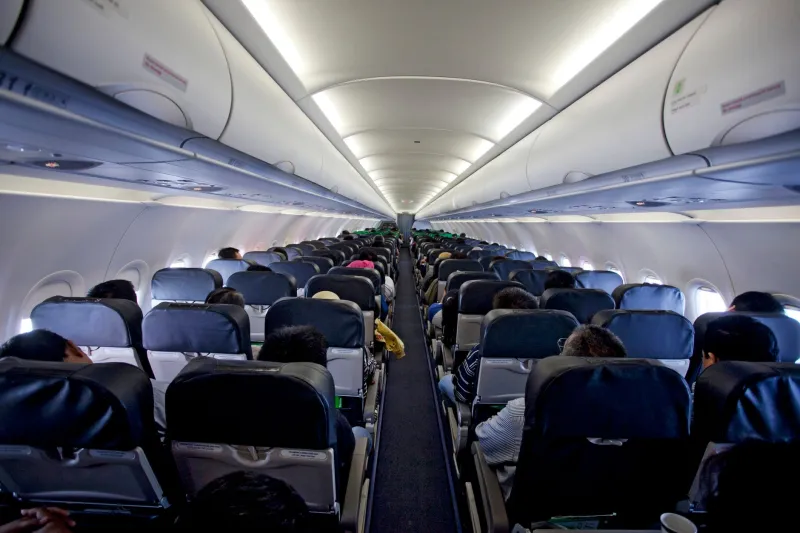
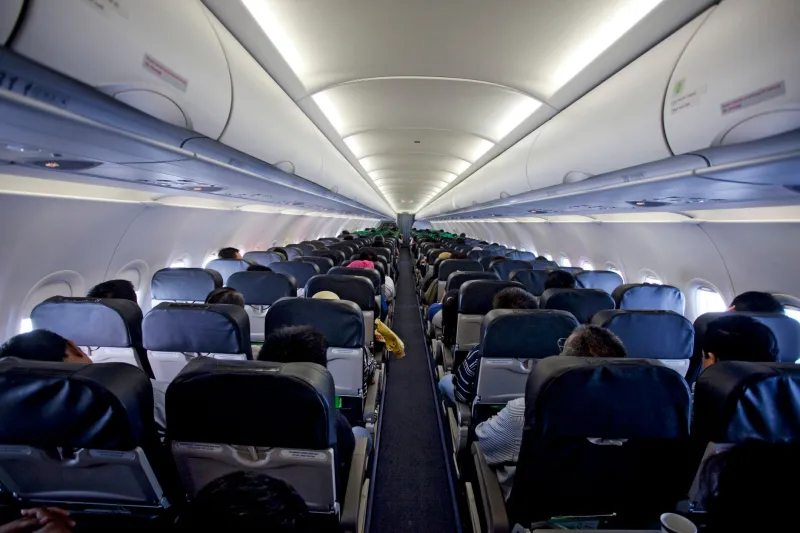
You board your flight in Mumbai or Delhi feeling perfectly fine. Somewhere over the Arabian Sea or the Pacific, your nose begins to run. Your sinuses tighten. By the time you land in New York or Chicago, you feel as though you have walked directly into a head cold. If this pattern sounds familiar, you are not alone—and the culprit may not be a virus.
For Indian-American travelers who regularly make the long journey between the United States and the Indian subcontinent, the aircraft cabin itself is frequently the source of significant allergic distress. The combination of pressurized air, ultra-low humidity, and the abrupt crossing of climatic zones creates a physiological environment that is uniquely hostile to anyone with a history of allergies, sinusitis, or reactive airways.
What Cabin Pressure Actually Does to Your Airways
Commercial aircraft cabins are pressurized to simulate an altitude of roughly 6,000 to 8,000 feet above sea level—even when the plane is cruising at 35,000 feet or higher. At this simulated elevation, the partial pressure of oxygen decreases, and the body responds by subtly altering circulation and fluid dynamics throughout the tissues.
For your sinuses and nasal passages, this matters enormously. The mucous membranes lining the nasal cavity and sinuses depend on adequate moisture and stable pressure to function as effective filters. When cabin pressure drops and the air becomes significantly drier—relative humidity inside a pressurized cabin frequently falls below 20 percent, far lower than the 40 to 60 percent that most indoor environments maintain—those membranes begin to dry out and lose their protective barrier function.
The result is a compromised first line of defense. Allergens, dust particles, and recirculated air contaminants that would ordinarily be trapped and expelled by healthy mucous membranes instead penetrate more deeply into the nasal passages and upper respiratory tract. The immune system, already slightly stressed by altitude-induced changes in blood oxygen levels, responds with heightened sensitivity—meaning that even allergens you might tolerate without much difficulty on the ground can trigger a pronounced reaction at altitude.
The Climatic Crossing: Why the India-US Route Is Particularly Challenging
Not all long-haul routes are created equal when it comes to allergic burden. The India-US corridor presents a specific challenge because of the dramatic environmental contrast between departure and arrival points.
Many Indian cities—Mumbai, Chennai, Kolkata, Hyderabad—sit in humid, tropical or subtropical climates where the body's mucous membranes are accustomed to high ambient moisture. When a traveler boards a flight from one of these cities into an ultra-dry cabin environment, the shock to the respiratory system is more pronounced than it would be for someone departing from an already arid location.
Conversely, travelers flying from cities like Chicago, Dallas, or Minneapolis—where winter air is extremely dry both indoors and outdoors—may find that the cabin environment, while still drier than optimal, does not represent as steep a departure from their baseline. However, they then land in the heat and humidity of a South Asian summer or monsoon season, and the reverse transition can trigger its own cascade of allergic responses upon return.
Seasonal pollen loads add another layer of complexity. A traveler departing Chicago during spring pollen season may carry primed, sensitized immune cells onto the aircraft, making the cabin environment even more provocative than it would be at other times of year.
Recognizing the Difference Between Allergy and Illness
One of the most common mistakes long-haul travelers make is attributing cabin-triggered allergy symptoms to a respiratory infection picked up on the plane. While airborne transmission of viruses is a legitimate concern on crowded flights, many cases of post-flight congestion, sneezing, and fatigue are allergic in origin rather than infectious.
Key distinguishing factors include the speed of onset—allergic reactions typically begin during the flight or within hours of landing, whereas most viral infections have an incubation period of one to several days—and the nature of nasal discharge, which tends to be clear and watery in allergic responses rather than thick and discolored as in bacterial or viral infections.
Recognizing this distinction matters because the appropriate management strategies differ. Treating an allergic reaction with rest and fluids alone, as one might approach a mild cold, may leave the underlying immune response unaddressed and prolong discomfort unnecessarily.
Pre-Flight Preparation: The Most Underutilized Strategy
For chronic allergy sufferers, the most effective interventions begin well before boarding.
If you use a prescription nasal corticosteroid spray—products such as fluticasone or mometasone—allergists generally recommend beginning use two to three days before a long-haul flight rather than starting on the day of departure. These medications reduce baseline nasal inflammation over time and are significantly more effective when the mucous membranes are already in a calmer state before the stresses of cabin air take hold.
Consulting with your physician or allergist before a major journey is advisable, particularly if your allergy history is significant. They may recommend a short course of a non-sedating oral antihistamine such as cetirizine or loratadine, begun the day before travel. Sedating antihistamines, while sometimes used for sleep on overnight flights, are generally not recommended as a primary allergy management tool because they thicken mucous secretions and can actually worsen sinus congestion.
Saline nasal rinses performed the evening before departure help clear the nasal passages of existing allergen loads and hydrate the mucous membranes before they are subjected to the drying effects of pressurized cabin air.
In-Flight Strategies That Make a Measurable Difference
Once airborne, hydration is your single most important tool. Drinking water consistently throughout the flight—rather than waiting until you feel thirsty, which is often delayed at altitude—helps maintain systemic fluid levels and supports mucosal moisture. Avoid alcohol and caffeine in excess, as both accelerate fluid loss and exacerbate the drying effects of cabin air.
A saline nasal spray, available over the counter at any US pharmacy and easily packed in a carry-on within TSA liquid limits, can be used every one to two hours during a long flight to re-moisten nasal passages. This is not a medication and carries no risk of rebound congestion—it is simply a mechanical means of counteracting the dryness that the cabin environment imposes.
If you are prone to sinus pressure and ear discomfort during descent—a condition known as barotrauma, which is worsened by inflamed and congested nasal tissues—consider using a decongestant nasal spray approximately 30 minutes before the descent begins. Oxymetazoline-based sprays are effective for this purpose, though they should not be used for more than three consecutive days to avoid rebound congestion.
Adjusting the overhead air vent so that it does not blow directly onto your face is a simple but meaningful step. While cabin ventilation systems are equipped with HEPA filters that capture a high percentage of airborne particles, a direct stream of recirculated air across your nasal passages accelerates mucosal drying and increases allergen exposure.
After Landing: Supporting Recovery Across Two Climates
Upon arrival—whether in the United States or in India—give your respiratory system time to recalibrate. If you are arriving during a high-pollen season at your destination, consider wearing a light face covering in outdoor environments for the first day or two, while your immune system adjusts to the new allergen profile.
A full saline nasal rinse using a neti pot or squeeze bottle after landing helps flush any residual cabin air contaminants and allergens from the nasal passages and provides immediate relief for congested sinuses.
If symptoms persist beyond 48 to 72 hours after landing, or if you develop fever, facial pain, or significantly discolored nasal discharge, consult a physician—at that point, a secondary sinus infection may have developed on top of the initial allergic irritation, and antibiotic treatment may be warranted.
A Final Word for Frequent Flyers
For those who make the India-US journey multiple times each year, the cumulative effect of repeated exposure to cabin air on the respiratory system deserves serious attention. Establishing a consistent pre- and post-flight allergy management routine, and maintaining an open dialogue with your healthcare provider about your travel schedule, is not an overreaction—it is sound preventive medicine.
At Chitra Nair Airways, we believe that the journey between India and America should be as comfortable and healthful as possible. Understanding the invisible pressures your body faces at altitude is the first step toward ensuring that you arrive at your destination feeling ready, not depleted.