Covered at Altitude: Choosing Travel Insurance That Actually Protects You on the India-US Route

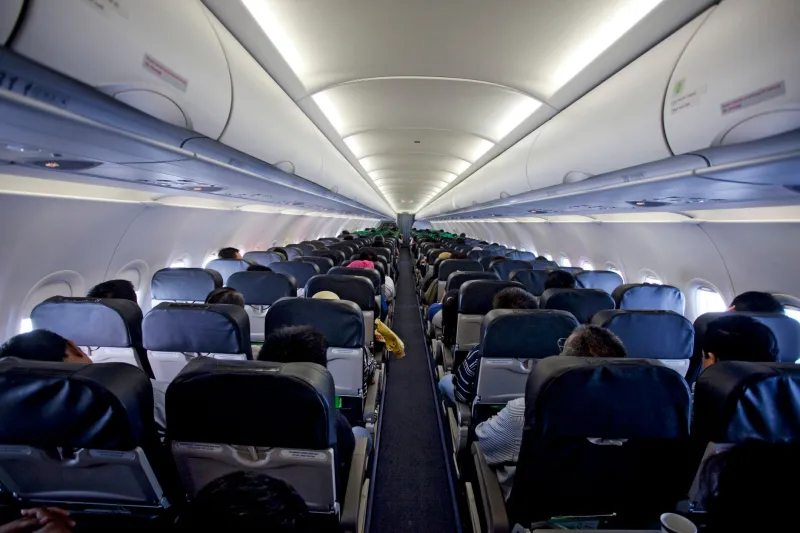
Photo: Rakoon, CC0, via Wikimedia Commons
For many travelers on the India-US corridor, purchasing travel insurance feels like a formality — a checkbox ticked at the end of a booking flow. The policy document gets emailed, rarely opened, and quietly forgotten until something goes wrong at 35,000 feet or in a hospital far from home. That oversight can prove extraordinarily costly.
Flying between India and the United States is not a routine journey. It involves one of the longest commercial flight routes in the world, complex visa conditions, two entirely different healthcare systems, and a layover ecosystem that spans multiple continents. The insurance policy that adequately covers a weekend trip to Cancún is almost certainly insufficient for a two-week visit to Chennai or Mumbai. Understanding why — and what to do about it — begins with knowing what you are actually buying.
Why the India-US Route Demands a Different Standard of Coverage
Most American travelers are accustomed to thinking of travel insurance as trip cancellation protection. That instinct is understandable, but it addresses only one dimension of risk on a transoceanic journey of this scale.
The India-US route introduces a specific set of vulnerabilities. Medical emergencies in India, while often more affordable than equivalent care in the United States, can still result in significant out-of-pocket costs — particularly in private hospitals in major cities. For US-based travelers whose domestic health insurance offers minimal or no international coverage, a serious illness or injury abroad can generate bills that dwarf the cost of the flight itself.
In the opposite direction, Indian nationals visiting the US on tourist or business visas face an even starker reality. American healthcare costs are among the highest in the world, and a single emergency room visit without adequate coverage can result in financial consequences that take years to resolve.
Then there is the question of trip disruption. Flights on this route typically involve at least one connecting hub — Dubai, Doha, London, Frankfurt, or Singapore are common transit points. A missed connection in any of these cities can cascade into a multi-day delay, triggering hotel costs, rebooking fees, and the loss of prepaid arrangements on either end.
The Coverage Categories That Matter Most
Medical Emergency and Evacuation
This is the single most important category for any traveler on the India-US route, and the one most frequently underestimated. Look for policies that offer a minimum of $100,000 in emergency medical coverage, and ideally $250,000 or more. Medical evacuation — the cost of transporting you to an appropriate facility or back to your home country — can alone exceed $50,000. Confirm that evacuation coverage is included explicitly, not merely implied.
For US-based travelers, verify whether your existing health insurance extends internationally. Many employer-sponsored plans offer limited or no coverage outside the United States. Medicare, in particular, provides almost no international coverage. If your domestic plan falls short, a standalone travel medical policy or a comprehensive travel insurance package becomes essential rather than optional.
Trip Cancellation and Interruption
Given the cost of India-US airfare — which routinely runs between $800 and $2,500 or more depending on season and booking timing — trip cancellation protection represents meaningful financial security. Standard policies reimburse non-refundable costs if you must cancel for a covered reason: serious illness, a family emergency, or certain natural disasters.
Trip interruption coverage goes further, reimbursing you if your journey is cut short after departure. For travelers visiting family in India who may face unexpected circumstances requiring an early return to the US, this coverage can be particularly valuable.
Cancel for Any Reason (CFAR)
For travelers who want maximum flexibility, Cancel for Any Reason upgrades allow cancellation without specifying a covered cause. These add-ons typically reimburse 50 to 75 percent of non-refundable costs and must generally be purchased within a short window after your initial booking — often within 14 to 21 days. They come at a premium, but they offer a level of peace of mind that standard policies cannot match.
Baggage Loss and Delay
Lost or delayed baggage on long-haul international routes is more common than airlines care to advertise. When a bag goes missing mid-journey — particularly on a multi-leg itinerary through a third-country hub — the process of recovery can take days. Baggage delay coverage reimburses you for essential purchases in the interim. Baggage loss coverage compensates for items that are permanently missing. Read the per-item limits carefully; many policies impose strict caps on electronics, jewelry, and other valuables.
Pandemic and Health-Related Disruptions
The experience of the past several years has permanently changed how informed travelers evaluate this category. Look specifically for policies that cover Covid-19 and other infectious disease-related cancellations or medical costs. Not all policies treat pandemic-related claims equally — some exclude them outright, while others offer full coverage. This distinction should be confirmed in writing before purchase.
Comparing Providers for the India-US Traveler
Several insurers have established strong reputations for international coverage on routes like India-US. Allianz Travel Insurance offers a range of plans with solid medical and cancellation benefits and a well-regarded claims process. Travel Guard by AIG is frequently cited for its comprehensive coverage tiers and 24-hour assistance services. IMG Global and Seven Corners are particularly well-regarded among frequent international travelers and those seeking robust medical evacuation provisions.
For Indian nationals visiting the US, specialized visitor health insurance products — offered by providers such as Visitors Coverage or INF Insurance — are designed specifically for this demographic and often provide more targeted protection than general travel insurance plans.
Comparison platforms such as InsureMyTrip and Squaremouth allow travelers to evaluate policies side by side, which is strongly recommended before any purchase on a journey of this complexity.
The Exclusions That Catch Travelers Off Guard
Pre-existing medical conditions represent the most common source of claim denials. Many standard policies exclude any condition that existed — whether diagnosed or not — within a defined lookback period, often 60 to 180 days prior to purchase. Some insurers offer pre-existing condition waivers if the policy is purchased promptly after the initial trip deposit; this window is worth monitoring carefully.
Adventure activities, including certain trekking excursions that travelers may undertake during extended India visits, are frequently excluded from base policies. If your itinerary includes anything beyond standard tourism, verify whether an activity rider is required.
Finally, note that travel to regions under active US State Department travel advisories may void coverage entirely. If your India itinerary includes destinations in areas with elevated advisory levels, this is a detail that requires direct clarification with your insurer.
A Final Word on Timing
Travel insurance is one of the few purchases where timing materially affects the value you receive. Buying early — ideally within two weeks of your first trip payment — maximizes access to pre-existing condition waivers, CFAR upgrades, and the full scope of cancellation protection. Purchasing a policy the night before departure is better than nothing, but it forfeits many of the most valuable provisions.
The India-US journey is significant in every respect: in distance, in duration, in cost, and in the complexity of what can go wrong along the way. Approaching travel insurance with the same care you bring to booking your seat or planning your itinerary is not excessive caution — it is simply sound preparation for a journey of this magnitude.