The Consulate Calendar: How Embassy Closures and Visa Backlogs Shape the Smartest India-US Booking Strategies
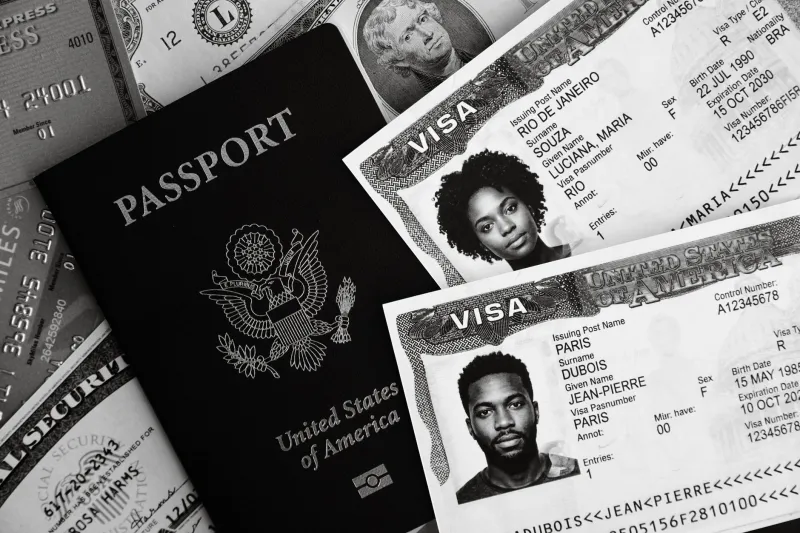
Most travelers book their India-US flights around personal schedules and fare alerts. Far fewer account for the hidden rhythm of US consulate operations in India — a calendar of closures, appointment backlogs, and processing surges that quietly dictates when tickets get cheaper and when they become dangerously expensive. Understanding this system is one of the most underutilized advantages available to frequent flyers on this route.
Why Consulate Operations Belong in Your Travel Planning Toolkit
The US maintains five consular posts across India — in New Delhi, Mumbai, Chennai, Hyderabad, and Kolkata. Each observes a dual holiday schedule: American federal holidays and a selection of official Indian public holidays. That overlap creates predictable dead zones in visa processing every year, and those dead zones have a direct, measurable effect on travel demand.
When visa appointments stall — whether due to closures, administrative backlogs, or staffing transitions — a portion of travelers who intended to fly during a specific window cannot. Flights that would otherwise fill up remain partially empty. Airlines, responding to softer demand, either hold fares steady or allow them to drift downward. For the traveler who has already secured their visa, or who holds a valid multi-entry visa, these windows represent genuine opportunity.
Conversely, when consulates reopen after extended closures and appointment slots flood back onto the scheduling portal, a surge of newly confirmed travelers enters the booking market simultaneously. Fares spike. Seats in preferred cabins disappear within days. Anyone caught flat-footed during these surges pays a significant premium.
Mapping the Dual Holiday Calendar
The first step in exploiting this dynamic is building a comprehensive view of both holiday calendars. On the American side, federal holidays such as Thanksgiving, Christmas, New Year's Day, Independence Day, and Labor Day close consular operations entirely. On the Indian side, closures typically include Diwali, Holi, Republic Day, Independence Day, and Gandhi Jayanti, among others — though the specific days observed vary slightly by post and by year.
Between these two calendars, there are stretches in late October and November — particularly around Diwali and the American Thanksgiving cluster — when consulate closures can stack into extended gaps of five to eight business days. Processing effectively halts. Travelers awaiting interview appointments or administrative processing find themselves pushed into December, often too late for holiday travel.
By contrast, the post-holiday period in early January and the stretch between late February and mid-March tend to be among the most operationally efficient windows of the year. Backlogs clear, appointments are available within weeks rather than months, and travelers who booked during the November lull are now ready to fly. This creates a secondary demand surge in late winter — one that many casual observers miss entirely.
Reading the Appointment Backlog as a Demand Signal
The US Department of State's visa appointment scheduling system offers a surprisingly transparent view of consular demand. Appointment wait times for tourist and business visas are publicly available and updated regularly. A skilled traveler checks these figures not just to plan their own visa appointment, but to read the broader market.
When wait times at major posts like Mumbai or Chennai stretch beyond 200 days, it signals that a large cohort of would-be travelers is effectively locked out of the near-term market. Flights departing within the next three to four months are unlikely to fill from that population. When wait times contract sharply — often following a staffing increase or the resolution of an administrative backlog — pent-up demand enters the booking system rapidly.
Tracking these fluctuations over two or three booking cycles gives a traveler an intuitive sense of when the market is about to tighten. That foreknowledge, combined with a valid visa already in hand, allows for confident advance booking at fares that have not yet adjusted to incoming demand.
The Practical Mechanics of Backlog-Aware Booking
Translating this analysis into actual booking decisions requires a modest but consistent investment of time. Here is a workable approach.
Monitor appointment availability monthly. The State Department's appointment portal and third-party tracking tools such as VisaSchedule or Checkvist allow users to monitor wait time trends across Indian consular posts. A sudden drop in wait times is a reliable early signal of an impending demand surge.
Cross-reference with the dual holiday calendar. Before committing to a travel window, map out all closures affecting your intended departure month and the two months prior. A window that falls immediately after a major closure cluster carries elevated risk of a demand surge. A window that precedes closures by six to eight weeks is often quieter.
Build in processing buffer. Even with a visa in hand, travelers who are sponsoring family members' visits or coordinating group travel must account for processing time on the Indian side. Visa delays that push a family member's departure back by two weeks can turn a well-priced itinerary into an expensive rebooking scenario.
Use fare flexibility as insurance. On routes where refundable or changeable fares are available at a modest premium, the cost of that flexibility is frequently justified when booking around uncertain processing windows. A non-refundable fare purchased four months out may look attractive until a consulate closure or administrative hold extends processing by six weeks.
When Last-Minute Becomes the Only Option
Despite careful planning, some travelers find themselves booking within two to three weeks of a necessary departure — often due to family emergencies or professional obligations that cannot wait for ideal conditions. In these situations, the consulate calendar offers a different kind of guidance.
If the immediate period has been marked by extended closures or backlogs, last-minute seat availability tends to be better than average, because a portion of the anticipated passenger load never received their visas in time. Airlines may have released unsold inventory at reduced prices in the final days before departure. It is not a guaranteed outcome, but it is a pattern worth knowing.
Alternately, if the market is emerging from a backlog clearance period and demand is running high, last-minute fares will be punishing. In that scenario, flexibility on routing — accepting a longer connection through a hub city, or departing from an alternate US gateway — may be the most effective way to manage cost.
A Final Word on Strategic Patience
The India-US route rewards travelers who treat it as a system to be understood rather than a transaction to be completed. The consulate calendar is one layer of that system — not the only one, but a consistently underappreciated one. Paired with awareness of seasonal demand, festival travel patterns, and airline inventory practices, it gives the informed traveler a meaningful edge.
At Chitra Nair Airways, our goal is to ensure that every traveler crossing between India and America does so with the fullest possible picture of what shapes their journey — from the moment a visa appointment is scheduled to the moment wheels touch down. The bureaucratic calendar is rarely glamorous reading, but for those willing to study it, it pays dividends measured in better seats, lower fares, and considerably less stress.