Pickle Jars at 35,000 Feet: The Emotional Cargo of the India-US Flight
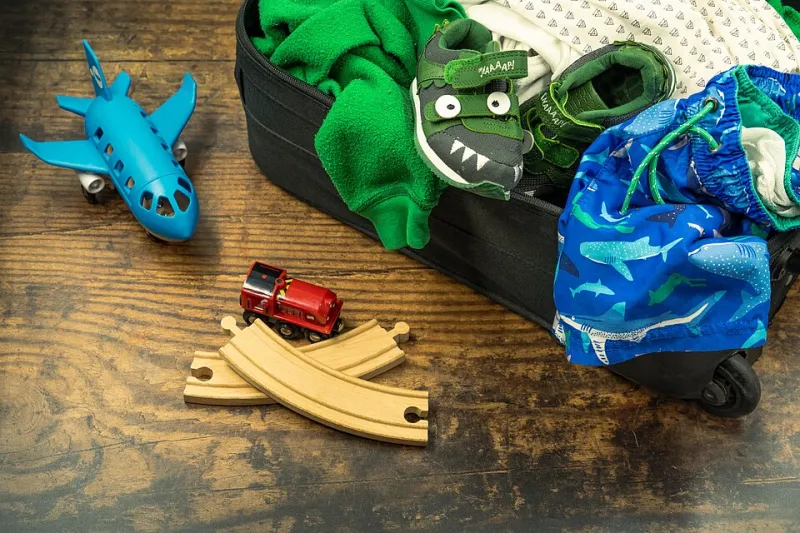
Photo: Familydestinationsguide.com Images, CC BY 2.0, via Wikimedia Commons
Somewhere over the Atlantic on any given evening, a suitcase is straining at its zipper under the weight of forty vacuum-sealed packets of murukku, three jars of mango pickle, a folded silk saree wrapped in newspaper, and a stack of wedding invitations addressed in green ink. This is the true freight of the India-US corridor. Airlines measure cargo in tonnage; the diaspora measures it in love, obligation, and mild customs anxiety.
The Economy of the Unbuyable
American grocery stores now stock paneer, dosa batter, and a respectable garam masala. So why does the suitcase ritual persist? Because the cargo is not food, strictly speaking. It is provenance. The pickle from a particular grandmother's kitchen in Palakkad cannot be replicated by a factory in Gujarat, and everyone involved knows it. The sweets carried home after a wedding are not confection; they are attendance made portable. An heirloom saree handed across the aisle of a 777 is a transfer of inheritance conducted at altitude.
There is humor in the logistics, of course. Every traveler on this route has witnessed the negotiation at the check-in counter — a family redistributing three kilograms of duty-free and spices between bags while the agent watches with practiced patience. The India-US flight has developed the baggage profile of a small moving van, and airlines know it: generous two-piece allowances on this corridor exist partly because carriers learned decades ago that empty allowance space is wasted on this clientele.
What You Can Actually Carry
Amid the sentiment, the regulations deserve attention. US Customs and Border Protection generally permits commercially packaged, shelf-stable foods — sealed snacks, spices, and yes, most commercially produced pickles. Homemade items occupy grayer ground: rice and seeds face restrictions due to agricultural concerns, and fresh fruit is effectively prohibited. Meats and most dairy are barred. Declaring everything is the golden rule; undeclared food earns fines that dwarf the value of any pickle jar, however transcendent.
Liquids in checked baggage — oils, ghee, homemade syrups — should be double-bagged and jarred in plastic, not glass, unless you enjoy unpacking the smell of mustard oil from every garment you own.
A Two-Way Street
The traffic flows both directions. Return flights to India carry maple syrup, pecans, vitamin bottles, and children's clothes sized for cousins growing too fast to keep up with. The exchange is the point. For a community scattered across twelve time zones, the flight itself has become the ritual site — the place where a household's affection is physically packed, weighed, and carried across the world.
Buy the extra baggage allowance. Pack the pickle in plastic. Declare the sweets. The cargo is priceless, but the fines are not.